
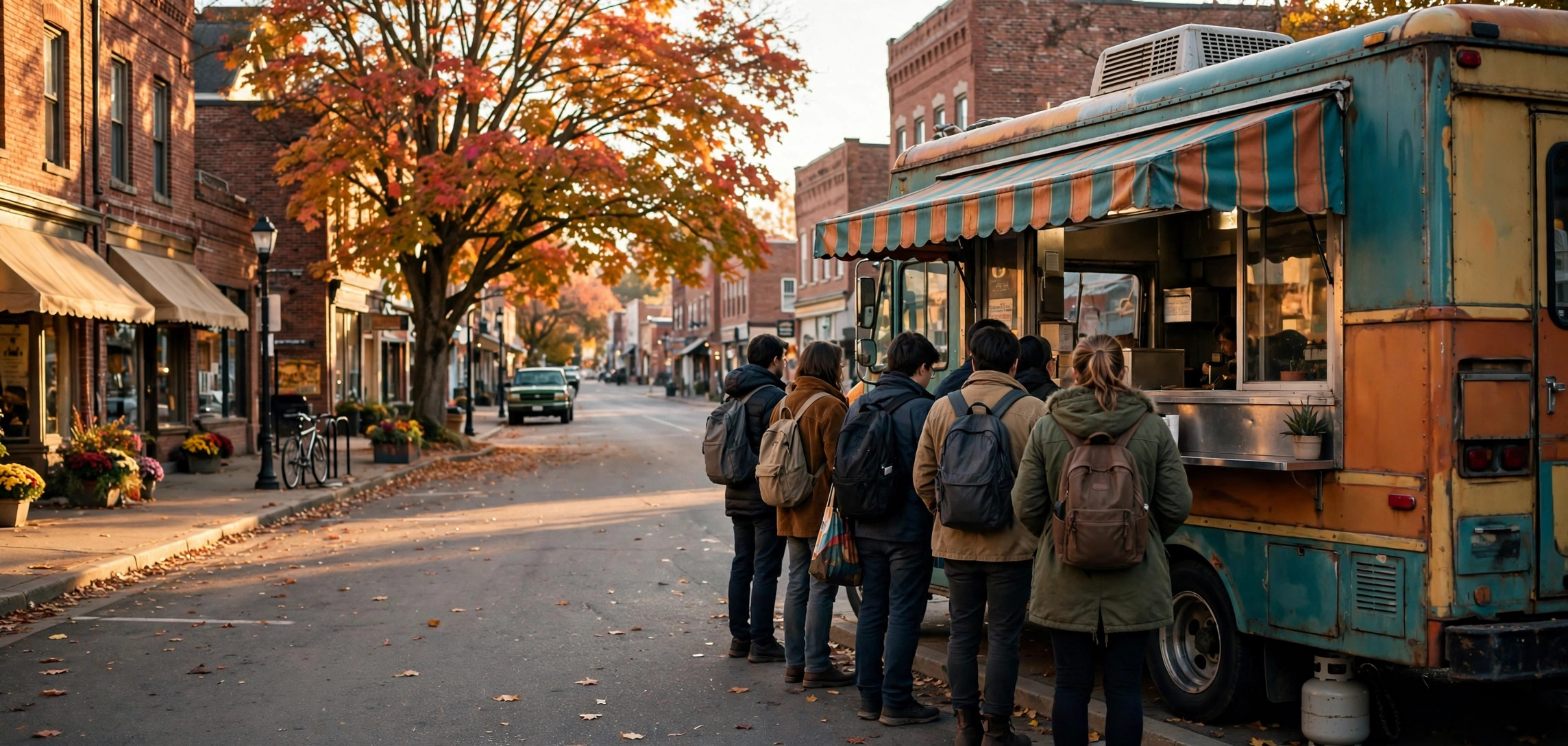
Dreaming of slinging tacos, burgers, or gourmet grilled cheese from your own rolling kitchen? Understanding the startup costs for food truck in small town is the first step toward turning that dream into a profitable business. The good news is that a food truck is one of the most affordable ways to get into the restaurant industry — and in a small town, your overhead is usually much lower than in a big city.
That said, “affordable” does not mean cheap. Between the truck itself, kitchen equipment, permits, and inventory, new owners often spend anywhere from $50,000 to $150,000 to launch. Small-town operators typically land at the lower end of that range because rent, permits, and labor cost less outside major metros. This guide walks through every line item so you can build a realistic budget before you buy a single fryer.
Before we dive into the numbers, one piece of advice: do your homework on local demand first. Our guide on how to do market research for a small town business will help you confirm your town can support your concept before you commit thousands of dollars.
How Much Does It Cost to Start a Food Truck in a Small Town?
When people ask about the startup costs for food truck in small town, they usually want one number. The honest answer is a range, because your concept, equipment needs, and local regulations all move the needle. Here is what typical small-town operators spend:
| Cost Category | Typical Small-Town Range | Notes |
|---|---|---|
| Food truck (used, equipped) | $30,000 – $60,000 | Biggest single expense |
| Food truck (new, custom) | $100,000 – $175,000 | Rarely needed to start |
| Kitchen equipment (if buying bare truck) | $10,000 – $30,000 | Grills, fryers, refrigeration |
| Permits, licenses, inspections | $500 – $3,000 | Often cheaper in small towns |
| Initial inventory & supplies | $2,000 – $5,000 | Food, packaging, disposables |
| Insurance (annual) | $2,000 – $4,000 | Liability + commercial auto |
| Branding, wraps, POS system | $3,000 – $8,000 | Wrap, signage, Square/Clover |
| Working capital (3 months) | $8,000 – $15,000 | Rent, fuel, payroll cushion |
| Total estimate | $55,000 – $125,000 | Most land around $75,000–$90,000 |
These figures assume a used truck that already has a working kitchen buildout — the smartest way for a first-timer to keep startup costs for food truck in small town manageable.
One-Time startup costs for food truck in small town
The bulk of your spending happens before you serve your first customer. Here is where that money goes.
1. The Truck Itself: $30,000–$60,000 (Used)
The truck is your restaurant, kitchen, and billboard in one. Buying a used, already-equipped truck is the single best way to control startup costs for food truck in small town. A new custom build can top $150,000, but plenty of successful operators start with a $40,000 truck and upgrade later. When shopping, check the engine, generator, propane system, and health-department compliance of the kitchen layout. Many sellers list on food-truck marketplaces, Craigslist, and Facebook Marketplace. Budget an extra $2,000–$5,000 for a mechanic inspection and minor repairs — skipping this step is how people end up with a $40,000 lemon.
2. Kitchen Equipment: $10,000–$30,000
If you buy a bare truck or need to reconfigure the kitchen, equipment costs add up fast. A commercial flat-top grill runs $2,000–$5,000, a fryer $1,500–$4,000, and commercial refrigeration $3,000–$8,000. Do not forget the generator ($3,000–$10,000 for a reliable quiet unit), propane tanks, water tanks, and a fire-suppression system ($2,000–$4,000, usually required by code). Buying quality used equipment from restaurant auctions can cut this bill nearly in half.
3. Permits, Licenses, and Inspections: $500–$3,000
One genuine advantage reflected in the startup costs for food truck in small town is that permits are usually far cheaper and simpler than in cities. Expect a business license ($50–$200), a mobile food vendor permit ($200–$1,000), health department inspection and food handler certifications ($100–$300), and possibly a commissary agreement ($300–$800/month) if your state requires one. Fire department inspection may add another $100–$500. Call your county health department early — requirements vary enormously, and one missed inspection can delay your launch by weeks. For the full pre-launch legal picture, see our startup legal checklist before launching.
4. Branding, Wrap, and Point-of-Sale: $3,000–$8,000
A full vinyl wrap ($2,500–$5,000) turns your truck into a rolling billboard — in a small town, visibility is everything. A point-of-sale system like Square or Clover costs $0–$1,000 upfront plus processing fees, and it handles cards, tips, and sales reports. Budget another $500–$1,000 for a logo, menu boards, and social media setup.
Recurring Monthly Costs
One-time purchases are only half the story. The startup costs for food truck in small town plan should include three months of operating expenses as working capital. Here is what a typical month looks like:
- Food and ingredients: $2,500–$5,000 (roughly 25–35% of revenue)
- Commissary or storage rent: $300–$800
- Fuel (truck + generator): $400–$900
- Propane: $150–$300
- Insurance: $150–$350
- Labor (1–2 helpers): $2,000–$4,000 — small towns often mean lower wages
- Parking/lot fees or event fees: $0–$500
- Phone, POS fees, misc: $200–$400
Most small-town operators report total monthly operating costs of $6,000–$12,000. To stay profitable, your food costs should stay under 30% of sales and your labor under 30% — the classic restaurant ratios still apply on wheels.
How to Keep startup costs for food truck in small town Low
You cannot avoid spending money, but you can avoid wasting it. These five strategies cut the typical budget by 20–30%:
- Buy a proven used truck, not a project. A $45,000 truck that passes inspection beats a $20,000 “fixer-upper” that eats $25,000 in repairs.
- Start with a tight menu. Five great items beat fifteen mediocre ones — fewer ingredients means lower inventory costs and less waste.
- Share a commissary. If your state requires a licensed commissary kitchen, splitting one with another vendor halves the cost.
- Book events early. Fairs, festivals, high-school games, and brewery nights guarantee crowds. A full event calendar is the small-town food truck’s secret weapon.
- Do your own marketing. A Facebook page, a Google Business Profile, and consistent posting cost nothing and drive real traffic. When you are ready to grow, our guide on how to get first customers for a new business covers 12 tactics that work on a shoestring budget.
Sample Budget: startup costs for food truck in small town
Let us put it together. Here is a realistic first-year launch budget for “Main Street Tacos,” a fictional truck in a town of 12,000 people:
- Used truck (2015 step van, equipped): $42,000
- Minor repairs + health-department upgrades: $4,500
- Generator replacement: $5,000
- Permits, licenses, inspections: $1,200
- Full wrap + signage: $3,800
- POS system (Square): $600
- Initial inventory + packaging: $3,000
- First-year insurance (paid upfront): $3,200
- Working capital (3 months at ~$8,000/mo): $24,000
- Total: $87,300
If the owner needs $8,000 a month to break even and averages $1,200 in daily sales at a 65% gross margin, the truck becomes profitable within the first quarter. Plug your own numbers into a spreadsheet — our tutorial on how to create a simple financial model for your startup shows exactly how.
Frequently Asked Questions
What is the cheapest way to start a food truck in a small town?
Buy a used, already-permitted truck from an operator who is retiring or upgrading, start with a 5-item menu, and work events instead of paying for a fixed lot. Many owners get rolling for under $60,000 this way. Leasing a truck ($2,000–$3,500/month) is another low-upfront option, though it costs more over time.
Do I need a commissary kitchen in a small town?
It depends on your state and county. Many states require food trucks to operate from a licensed commissary for prep, water, and waste disposal. Small towns sometimes have relaxed rules, but never assume — call your county health department before you buy anything.
How much can a food truck make in a small town?
Successful small-town trucks typically gross $100,000–$250,000 per year, with net profit margins of 10–20% after the first year. Revenue depends heavily on event bookings, operating days per week, and average ticket size. Trucks that work 4–5 days a week plus weekend events do best.
Are startup costs for food truck in small town lower than in a city?
Yes, usually by 15–30%. Permits, commissary rent, insurance, and labor all tend to cost less outside major metros. The trade-off is a smaller customer base, so marketing and event bookings matter more.
Can I get a loan for a food truck?
Yes. Options include SBA microloans (up to $50,000), equipment financing secured by the truck itself, and local bank small-business loans. Lenders will want a written business plan with your cost breakdown and revenue projections — which is exactly what this article helps you build.
Final Thoughts on startup costs for food truck in small town
The startup costs for food truck in small town are real — plan on $55,000 to $125,000 all-in — but they are a fraction of what a brick-and-mortar restaurant demands, and small towns offer cheaper permits, lower wages, and loyal communities that love a local truck. Build your budget honestly, keep three months of working capital in reserve, start lean with a tight menu, and let events fill your calendar. Do that, and your rolling kitchen can be one of the smartest small-business bets in town.